Blog
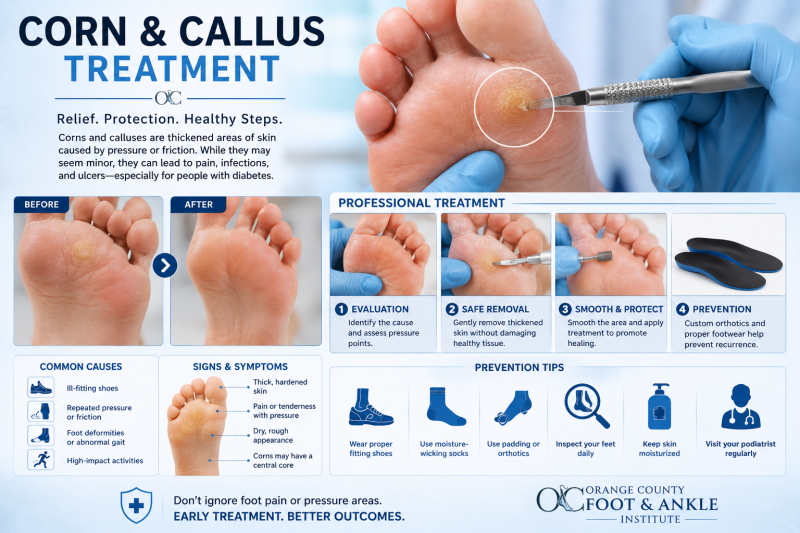
Corns and calluses are thickened areas of skin that develop from repeated pressure or friction. A callus usually forms on the bottom of the foot, especially under the ball …
Ingrown Toenail Treatment: When to See a Podiatrist
An ingrown toenail happens when the corner or edge of the nail grows into the surrounding skin. It most often affects the big toe and can cause pain, redness, …
Why “Just a Blister” Can Be a Big Deal
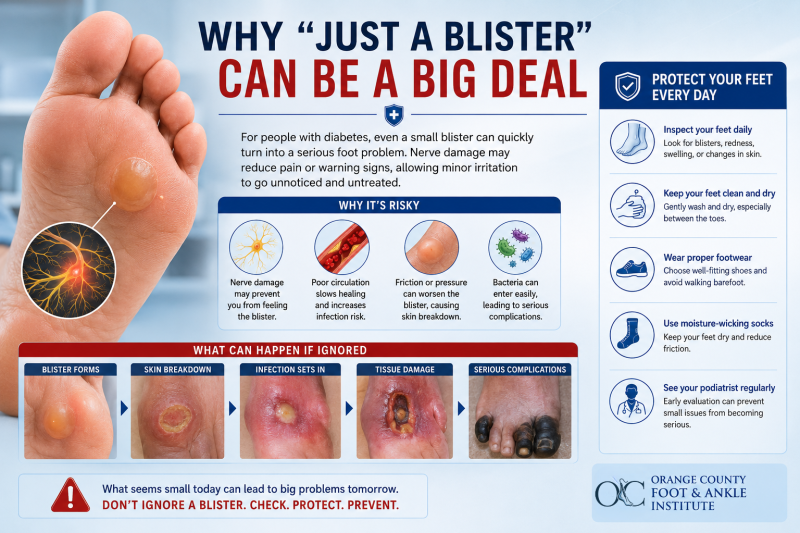
A blister may seem like a small problem, especially when it starts from new shoes, friction, walking, or exercise. For many people, a blister heals without causing serious trouble. …
How Shockwave Therapy Helps Chronic Heel Pain
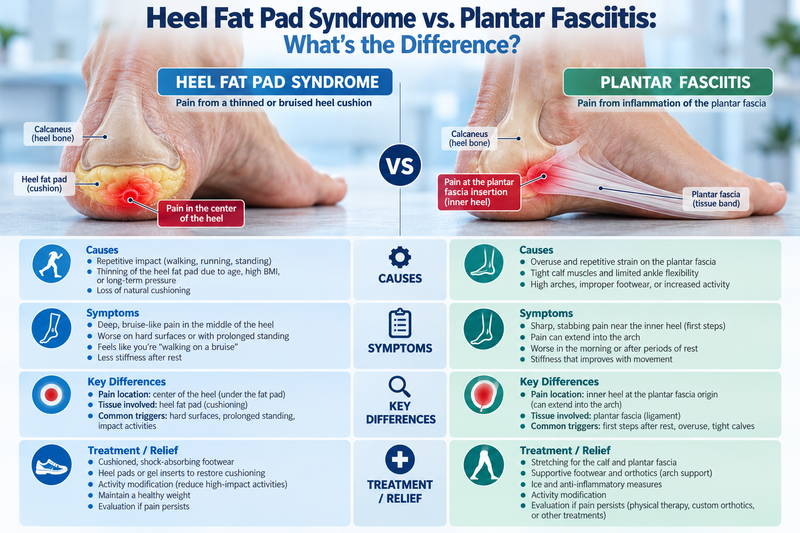
Chronic heel pain can make walking, exercise, work, and daily routines difficult. For many patients, the pain comes from plantar fasciitis, a condition involving irritation of the plantar fascia, …
10 Daily Habits That Help Protect Diabetic Feet
Diabetic foot problems can develop slowly and may not always cause pain right away. High blood sugar can affect nerves, circulation, skin health, and healing ability. Because of this, …
The Difference Between Diabetic Neuropathy and Poor Circulation
Diabetic neuropathy and poor circulation are two common reasons diabetic foot problems develop. They are related, but they are not the same condition. Diabetic neuropathy affects the nerves. Poor …
Charcot Foot: Early Signs Patients Should Know
Charcot foot is a serious diabetic foot complication that can affect the bones, joints, and shape of the foot. It often happens in patients who have diabetic neuropathy, which …
Calluses and Corns: Why Diabetic Patients Should Be Careful
Calluses and corns may seem like small foot problems, but they can become more serious for patients with diabetes. Thickened skin often develops from repeated pressure, friction, or rubbing …
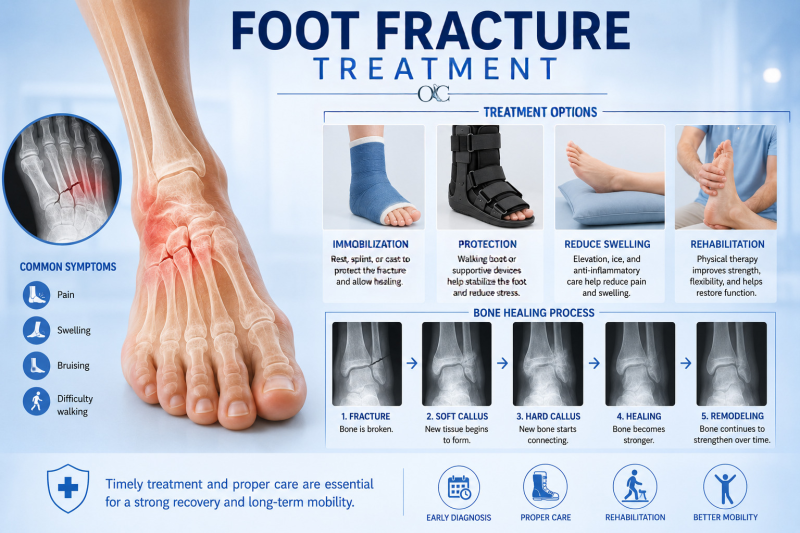
Bone Healing From Fractures: What Patients Should Know
A bone fracture can take time to heal, especially when it happens in the foot or ankle. Some fractures improve with rest, protection, and immobilization. Others need closer monitoring, …
How High Blood Sugar Damages the Feet Overtime
High blood sugar can affect the feet slowly and silently. Many patients do not notice a problem at first because the damage often develops over time. However, when blood …