
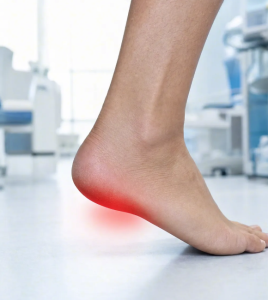
Heel pain is one of the most common foot complaints, and when it keeps coming back, it can start to affect everything from walking and exercise to work and daily comfort. In many cases, chronic heel pain does not improve simply by waiting it out. The most common cause of pain under the heel is plantar fasciitis, while pain at the back of the heel may be related to Achilles tendinitis or other conditions.
At Orange County Foot & Ankle Institute, one of the biggest things we want patients to understand is that heel pain is a symptom, not a final diagnosis. The right treatment depends on identifying the actual cause, how long it has been going on, what activities make it worse, and whether there are contributing issues such as poor footwear, tight calf muscles, overuse, or abnormal foot mechanics.
The most common cause: plantar fasciitis
Plantar fasciitis is one of the most common causes of heel pain. It involves irritation of the plantar fascia, the thick band of tissue along the bottom of the foot that connects the heel bone to the toes.
Patients often describe sharp pain with the first steps in the morning, pain after getting up from rest, or discomfort that worsens after long periods of standing or walking.
This condition often becomes chronic when the tissue continues to be stressed day after day without addressing the underlying cause. That can happen in runners, people who stand for long hours, patients with tight calf muscles, people wearing unsupportive shoes, or those whose foot mechanics place repeated strain on the plantar fascia.
Symptoms often improve with conservative care, but the process can take several months rather than a few days.
Other causes of chronic heel pain
Not all heel pain is plantar fasciitis. Pain in the back of the heel may be related to Achilles tendinitis, while other chronic causes can include bursitis, stress injuries, nerve irritation, heel pad problems, or bone and joint conditions. That is why self-diagnosing based only on online symptoms can delay the right treatment.
This matters because the treatment plan should match the true source of pain. A patient with plantar fascia overload may need a different approach than someone with Achilles involvement, a heel pad issue, or a structural alignment problem.
When heel pain becomes persistent, a podiatric evaluation is often the fastest way to separate common inflammation from a more complex mechanical issue.
Why heel pain keeps coming back
One of the main reasons chronic heel pain does not go away is that patients often reduce pain temporarily without correcting the forces causing it. Rest may calm symptoms for a short time, but if the foot returns to the same unsupportive shoes, the same tight calf muscles, the same repetitive standing, or the same overload pattern, the pain often returns. Conservative treatment works best when it addresses both inflammation and mechanics.
Another reason heel pain lingers is that many people wait too long before seeking evaluation. By the time pain has become chronic, the tissue may be more irritated, gait patterns may have changed, and compensation may begin affecting other parts of the foot or lower extremity. Chronic pain is often harder to reverse than early pain, even when the original condition is common.
What actually helps
For many patients, treatment starts with activity modification, stretching, better footwear, supportive inserts, and measures to reduce inflammation. Most people with plantar fasciitis recover within several months using conservative treatment such as icing, stretching, and modifying or avoiding activities that provoke symptoms.
Support under the foot is often a major part of recovery. Custom orthotics or supportive inserts may help reduce strain on the plantar fascia and improve foot function, especially when poor mechanics or repeated overload are keeping the heel from settling down.
Stretching can also make a meaningful difference, especially when calf tightness is contributing to heel strain. A structured plan that addresses both pain and the reason the pain developed is usually more effective than short-term symptom relief alone.
When you should stop guessing
If your heel pain has lasted for weeks, keeps returning, is worst with your first steps in the morning, or is interfering with exercise, work, or normal walking, it is time for a proper evaluation. Persistent pain does not always mean something severe, but it does mean the problem has not been fully addressed.
At Orange County Foot & Ankle Institute, we evaluate chronic heel pain carefully and build treatment plans around the real cause of the problem. Whether the issue is plantar fasciitis, Achilles-related pain, poor foot mechanics, or another source of chronic heel discomfort, early treatment can help reduce pain, improve function, and keep the condition from becoming harder to manage